(£) GBP (Default)
  • ($) USD
  • (€) EUR
  • ($) CAD
Pharma Lab Global

15% off first order with code: 1storder

Pharma Lab Global
99%+ Quality Guaranteed
Pharma Lab Global

Competitive Prices

Pharma Lab Global
Shipping Protection
Pharma Lab Global
Fast Order Process
How Does Aging Affect NAD+ Levels in the Body?
Aging Affect NAD+ Levels
Table of Contents

Does Aging Affect NAD+ Levels in the Body United States?

Aging is inevitable. It progresses over time, bringing along wrinkles, fatigue, and a frustrating decline in energy. But what if science could explain why we feel more exhausted as we age? That’s where NAD+ levels come into play.

Nicotinamide adenine dinucleotide, or NAD+, is a critical coenzyme found in every living cell. It plays a major role in metabolism, DNA repair, and overall cellular health. Unfortunately, as aging advances, NAD+ levels decline significantly.

United States Research suggests that by middle age, NAD+ levels are nearly half of what they were in earlier years. But why does this happen, and what does it mean for aging?

How Declining NAD+ Levels Impact Mitochondrial Function

NAD+ is like the fuel that keeps our cellular engines running. It helps convert nutrients into energy and supports vital biological processes, such as mitochondrial function and oxidative stress reduction. Think of NAD+ as the conductor of an orchestra, ensuring every section—whether it be metabolism, DNA repair, or immune function—plays in harmony.

The problem? Our bodies start producing less of this essential molecule as we age. Some scientists believe this decline is a major factor in aging itself. Lower NAD+ levels mean less energy production, slower DNA repair, and increased cellular stress. The result? More signs of aging, both inside and out.

The Key Reasons Why NAD+ Declines With Age

There are several factors behind the steady drop in NAD+ levels as we grow older. One significant cause is increased NAD+ consumption. Our bodies rely on this molecule for DNA repair, immune responses, and stress adaptation. As these demands grow with age, the available supply gets depleted more quickly.

Another contributing factor is the decline in NAD+ production. Over time, the enzymes responsible for synthesizing this essential molecule become sluggish, leading to reduced levels in the body. Chronic inflammation also plays a role in breaking down NAD+, as enzymes like CD38, which degrade it, become more active with age.

Furthermore, mitochondrial dysfunction accelerates depletion. Since mitochondria rely on NAD+ to generate energy, their weakening with age leads to increased demand, causing a further decline.

Anti-aging peptide United States with Pharma Lab Global

The Link Between NAD+ and Cellular Aging

The consequences of declining NAD+ levels go far beyond feeling tired. Energy production takes a significant hit, which explains why children can run endlessly while adults experience fatigue after minimal exertion. NAD+ fuels mitochondria, which generate ATP, the body’s energy currency. As production declines, ATP levels drop, leading to a lack of energy and cellular sluggishness.

DNA damage is another major concern. This molecule is crucial for activating sirtuins, proteins that regulate cellular health and repair DNA damage. When NAD+ is insufficient, sirtuins become less effective, allowing damage to accumulate over time and accelerating aging.

Cognitive decline is another byproduct of low NAD+ levels. The brain requires enormous amounts of energy, and when this molecule is in short supply, neurons struggle to function optimally. This can contribute to memory issues and cognitive impairment.

Similarly, metabolism slows down when NAD+ is low, increasing the risk of insulin resistance, weight gain, and metabolic disorders. A weakened immune system is also linked to depletion, making older adults more susceptible to infections and illnesses.

How Peptides Like NAD+ Peptides Are Being Researched for Cellular Health

Buy NAD+ peptides United States at Pharma Lab GlobalScientists have been diving deep into the relationship between this molecule and longevity. United States Studies suggest that increasing NAD+ levels may improve mitochondrial function, enhance DNA repair, and even extend lifespan.

United States Researchers are particularly interested in NAD+ peptides, which are being explored for their potential to enhance cellular function by supporting metabolic pathways.

Explore NAD+ at Pharma Lab Global United States, a vital coenzyme studied for its role in cellular energy production and DNA repair.

The Future of NAD+ Peptides in Aging Research

Given its crucial role in cellular function, scientists have explored multiple ways to replenish NAD+. One promising avenue is the research on NAD+ peptides, which are being studied for their potential to enhance availability at a cellular level.

Additionally, scientists have been investigating NAD+ precursors, such as nicotinamide riboside (NR) and nicotinamide mononucleotide (NMN), to determine their effectiveness in boosting levels.

Lifestyle changes may also contribute to maintaining NAD+. Caloric restriction and intermittent fasting have been shown to enhance production naturally, while regular physical exercise stimulates enzymes involved in biosynthesis, leading to higher levels. Certain compounds, such as resveratrol and other polyphenols, also play a role in activating sirtuins, further supporting cellular health.

NAD+ Peptides and Their Relationship to Cognitive Longevity

With the growing interest in anti-aging research, scientists are continually exploring new ways to leverage this molecule for health and longevity. One area gaining traction is how NAD+ peptides might contribute to neuroprotection and cognitive longevity. Ongoing studies aim to determine whether these peptides could help sustain brain function by maintaining optimal cellular function.

Research on NAD+ Levels and DNA Repair Mechanisms

United States Research suggests that maintaining adequate levels could be a key factor in promoting not just a longer life but a healthier one. Scientists believe that boosting NAD+ could mimic the effects of caloric restriction, a well-known longevity-enhancing intervention.

As levels decline, cellular processes slow down, leading to signs of aging. However, increasing availability may help counteract this decline and enhance vitality.

United States Studies have shown that NAD+ peptides may offer potential benefits in research settings, particularly in how they influence cellular repair and energy production. While still under investigation, their emerging role has sparked interest in the scientific community.

NAD+ peptides United States at Pharma Lab Global

The Future of NAD+ Levels in Anti-Aging Research

Aging and declining NAD+ levels go hand in hand. As this critical coenzyme diminishes over time, the body experiences reduced energy, slower metabolism, and increased cellular damage. However, research is uncovering ways to support cellular health through dietary strategies, supplements, and experimental peptides.

The future of NAD+ research looks promising, with scientists continually discovering new ways to optimize longevity and health. While NAD+ peptides remain an area of study, their potential role in maintaining cellular function could open new avenues for scientific exploration.

Buy NAD+ Peptide Online United States

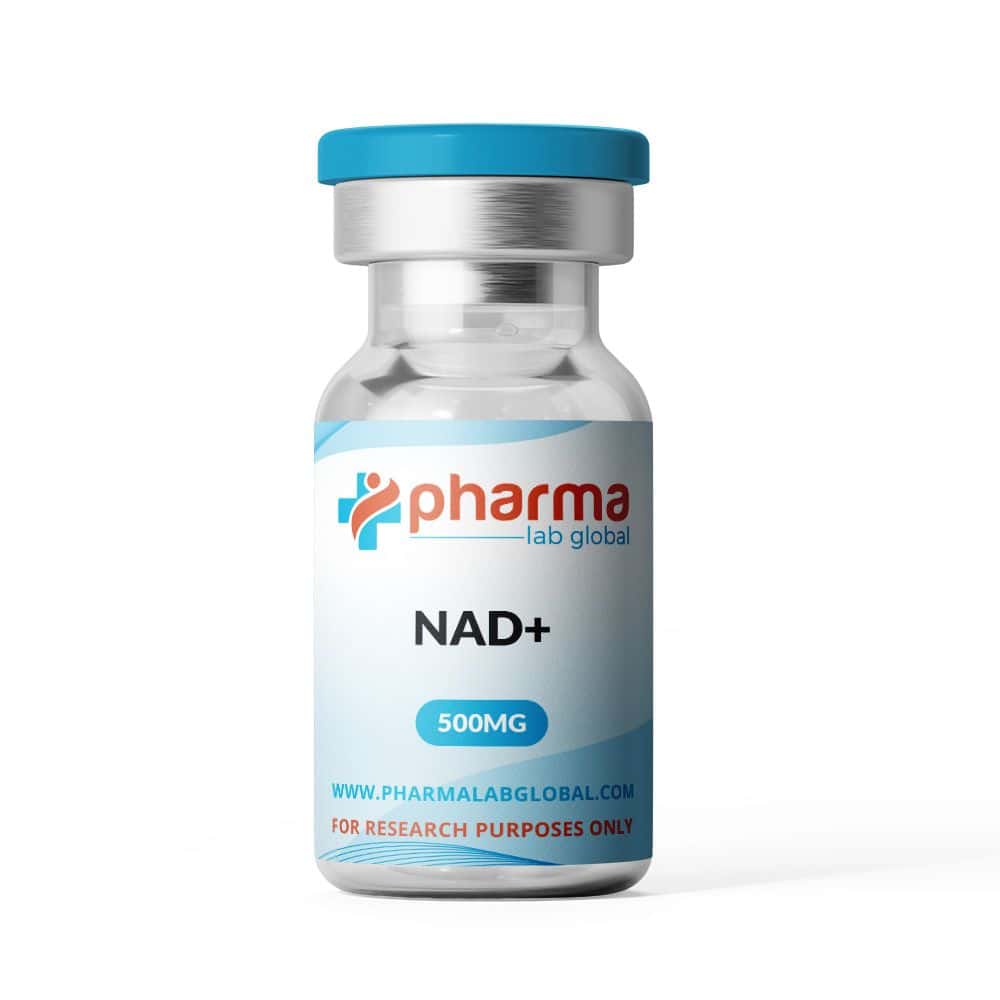
Pharma Lab Global United States is one of the best locations to purchase high purity NAD+ Peptide Vial for research. Choose from 250mg or 500 mg peptide vials. United States Pharma Lab Global is a trusted supplier of research peptides worldwide.

References

[1] de Guia RM, Agerholm M, Nielsen TS, Consitt LA, Søgaard D, Helge JW, Larsen S, Brandauer J, Houmard JA, Treebak JT. Aerobic and resistance exercise training reverses age-dependent decline in NAD+ salvage capacity in human skeletal muscle. Physiol Rep. 2019 Jul;7(12):e14139.

[2] Yao Z, Yang W, Gao Z, Jia P. Nicotinamide mononucleotide inhibits JNK activation to reverse Alzheimer disease. Neurosci Lett. 2017 Apr 24;647:133-140.

[3] Lautrup S, Sinclair DA, Mattson MP, Fang EF. NAD+ in Brain Aging and Neurodegenerative Disorders. Cell Metab. 2019 Oct 1;30(4):630-655.

Anti-Aging Peptide FAQ’s

Is NAD naturally occurring?

It is a naturally occurring coenzyme that is present in every live cell and is essential to cellular functions and energy metabolism. In addition to supporting DNA repair and controlling cellular aging, NAD+ participates in redox reactions and aids in the transport of electrons during metabolic processes.

Despite not being a peptide, NAD+ is frequently researched in conjunction with peptides due to its potential to promote metabolism, anti-aging, and cognitive health. In studies on cellular and cognitive health, some peptides, such as MOTS-c, may work in concert with NAD+ by improving mitochondrial activity and energy generation.

What is a coenzyme?

A coenzyme is a non-protein compound that assists enzymes perform their biological functions. Enzymes are proteins that accelerate chemical reactions in the human body, and coenzymes act as “helpers” by binding to enzymes and enhancing their activity.

Coenzymes often facilitate the transfer of molecules, atoms, or electrons during chemical reactions. For example, NAD+ is a coenzyme that plays a key role in energy production by transferring electrons during metabolic processes like cellular respiration. Many coenzymes are derived from vitamins, such as B vitamins, making them essential for various biochemical reactions that sustain life.

Is NAD+ effective if taken orally?

There is continuous research and discussion over the efficacy of NAD+ when taken orally. NAD+ itself is a big molecule that may not be adequately absorbed through the digestive system. Rather, it is frequently broken down into smaller, more accessible precursors like nicotinamide riboside (NR) or nicotinamide mononucleotide (NMN). Within cells, these precursors can be taken up and transformed back into NAD+.

Can peptides fight aging?

Because they promote collagen production, cellular repair, and overall skin and body health, peptides show promise in the fight against ageing. Some peptides, such as collagen peptides, increase skin hydration and elasticity, minimising wrinkles and fostering a more youthful appearance. Others, such as thymic peptides, might improve cellular regeneration and immune system function. Peptides such as MOTS-c and Epitalon are being researched for their potential to improve mitochondrial function, regulate ageing-related genes, and promote longevity. Neuroprotective peptides may also help preserve cognitive function as we age. Peptides offer intriguing opportunities to counteract the effects of ageing and promote overall resilience and vitality, though research is still ongoing.


ALL PRODUCT INFORMATION AND ARTICLES ON THIS SITE ARE FOR EDUCATIONAL PURPOSES ONLY

DISCLAIMER: All products sold by Pharma Lab Global are for research and laboratory use only. These products are not designed for use or consumption by humans or animals. They are not to be classified as a drug, food, cosmetic, or medicinal product and must not be mislabelled or used as such. By purchasing from our Website the buyer accepts and acknowledges the risks involved with handling of these products. All articles and product information provided on this Website are for informational and educational purposes only. Handling and use of these products should be restricted to suitably qualified professionals.

Related Articles