15% off first order with code: 1storder
Competitive Prices
15% OFF MULTI PACK
NEW LOWER PRICE
10% OFF TWIN PACK


NEW

NEW
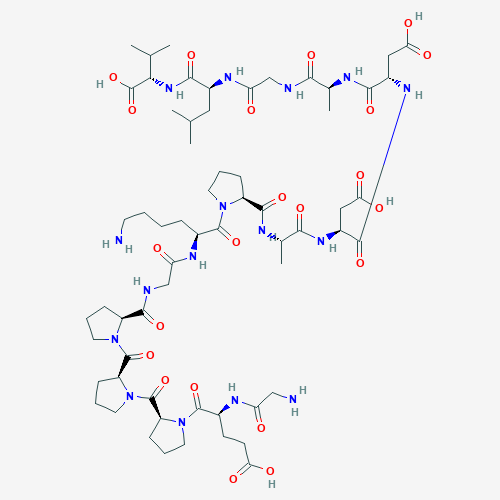
Molecular Formula: C62H98N16O22
Amino Acids Sequence: H-Gly-Glu-Pro-Pro-Pro-Gly-Lys-Pro-Ala-Asp-Asp-Ala-Gly-Leu-Val-OH
Molecular Weight: 1419.5 g/mol
Source: PubChem
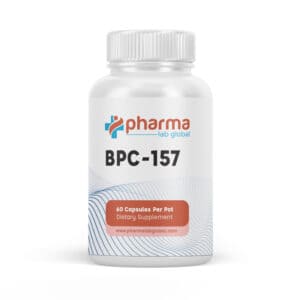
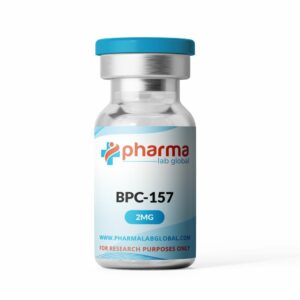
Buy BPC-157 Peptide Vial United States here for laboratory research use – Available in 2mg, 5mg & 10mg.
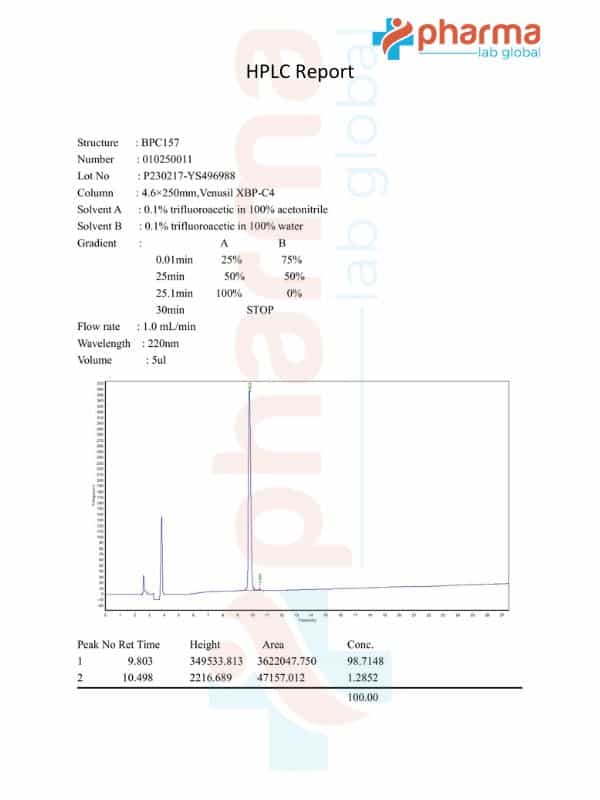
PharmaLabGlobal supplies high purity peptides which undergo strict quality control to ensure they are suitable for laboratory research purposes.
United States Clinical studies have found that when administered, BPC-157 interacts with multiple biological pathways, making it a regenerative medicine that promotes healing and recovery across various tissues and organs.
The capacity of BPC-157 to promote angiogenesis—the development of new blood vessels—is one of its primary mechanisms. The BPC-157 peptide has been demonstrated to enhance blood flow to inflammatory or injured areas by promoting blood vessel formation, which makes it easier for the transfer of nutrients and oxygen necessary for tissue healing (1).
Additionally, it has been shown that BPC-157 reduces pro-inflammatory molecules and increases the release of anti-inflammatory cytokines in order to moderate inflammatory responses. This anti-inflammatory action reduces tissue damage and encourages recovery.
Furthermore, BPC-157’s potent antioxidant qualities may shield cells from oxidative strssand free-radical damage, thereby encouraging tissue regeneration. Additionally, it may promote the production of specific growth factors that aid tissue regeneration and repair.
In general, United States researchers think that BPC-157 promotes healing, lowers inflammation, and supports general tissue health and well-being by combining angiogenic, anti-inflammatory, and antioxidant mechanisms.
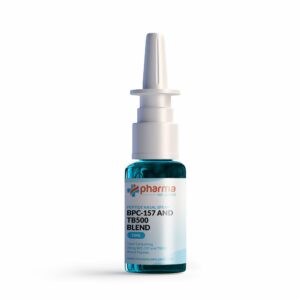
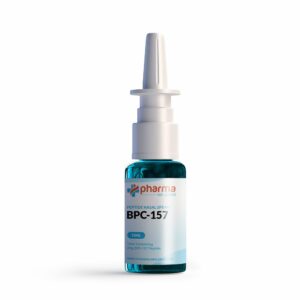
Buy BPC-157 Nasal Spray from PharmaLabGlobal United States for research purposes. Offering a non-invasive, peptide nasal delivery to your clinical research.
Repair Research
The natural purpose of BPC in the GI tract is to protect the mucosal barrier from the damaging effects of stomach acid, bile, and other substances essential for digestion and nutrient absorption. This function is mediated by fibroblast activation. BPC 157 increases fibroblast proliferation and migration in vitro and in vivo. In wound healing, fibroblasts play a significant role because they produce extracellular matrix proteins such as collagen and fibrin (1). In addition, they also make elastin and other proteins. Furthermore, the BPC-157 research chemical has also proved useful when treating skin burns helping reduce scarring (2).
Tendon Research
It’s no surprise that BPC-157 has shown promise in treating ligament, tendon, bone, and other connective tissue injuries in animal models. Tendon fibroblasts and ligament injuries heal slowly due to insufficient blood flow. Poor blood flow hinders the arrival of fibroblasts and other wound-healing cells, thereby limiting overall repair. In rat tendons, BPC-157 enhances collateralization and increases fibroblast density in vitro and in vivo studies. Additionally, BPC157 appears to be more effective than EFG, bFGF, and VGF hormones in encouraging tissue repair and overall joint health (3).
Collateralization and Vascular Growth
BPC 157 is an effective angiogenic factor that enhances endothelial cell proliferation and growth. Animal studies showed the peptide accelerates collateral blood vessel development in ischemia. BPC-157 may be used both as a therapeutic peptide for stroke and heart attack and as a probative peptide to learn how to enhance recovery after ischemic injury.
United States Studies in chicken embryos suggest that BPC 157 stimulates vascular development by activating VEGFR2, a cell surface receptor involved in nitric oxide signalling. VEGFR2 may be involved in endothelial cell development, proliferation, and lifespan (5).
Antioxidant Functions
BPC-157 has been demonstrated to reduce nitric oxide and malondialdehyde (MDA) levels in rat studies. According to studies, a potent antioxidant, BPC-157, has been shown to inhibit reactive oxygen species generation in the gastrointestinal system. BPC-157 levels in cells cultured with modified Lactococcus lactis bacteria grow substantially.
Drug Reactions
BPC-157 has been shown to reduce the adverse effects of NSAIDs, psychiatric drugs, and several cardiac treatments. BPC-157 also protects the brain, heart, and other tissues from side effects. For example, studies in rats show that BPC-157 can protect against QTc prolongation, which can cause significant and even fatal, arrhythmias. Pharmaceuticals used to treat diabetes, schizophrenia, and other psychiatric diseases cause QTc prolongation. Similarly, BPC157 has been demonstrated to reduce psychiatric medication side effects such as catalepsy and sensorimotor disturbance (6).
Gastrointestinal Studies
By encouraging healing and reducing damage, BPC-157 has demonstrated potential in safeguarding the gastrointestinal system. By improving mucosal healing, lowering inflammation, and controlling stomach acid output, this synthetic peptide demonstrates gastroprotective qualities. BPC-157 can help cure stomach ulcers, prevent damage from inflammatory bowel illnesses, and preserve the integrity of the gastrointestinal lining, including reducing leaky gut, by promoting new blood vessels formation and promoting tissue regeneration (4). Because of these benefits to the digestive tract’s general health and ongoing study, BPC-157 may be used as a treatment for gastrointestinal disorders.
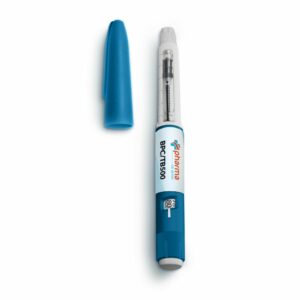
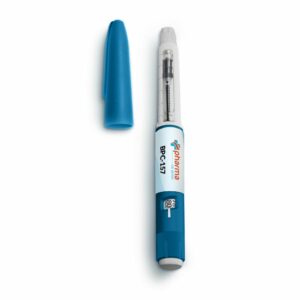
Buy BPC-157 Pre-Mixed Peptide Pen. Pen kits and pre-mixed refill cartridges supplied by PharmaLabGlobal United States for research purposes.

United States Research on a protective protein in human stomach juice led to the discovery of BPC-157. Researchers at the University of Zagreb School of Medicine in Croatia created and thoroughly examined it, isolating the stable 15-amino acid fragment that is currently known as BPC-157. Since then, a number of preclinical studies have examined its possible impacts on inflammation, gastrointestinal health, and tissue repair; nevertheless, there is still a dearth of solid human clinical evidence.
| Peptide | Primary Research Focus | Main Biological Pathways | Most Studied Tissues |
|---|---|---|---|
| BPC-157 | Tissue repair, gastrointestinal protection and angiogenesis research | Growth-factor signalling, nitric oxide pathways, angiogenesis and cell migration | Tendons, ligaments, skeletal muscle, gastrointestinal tract and blood vessels |
| TB500 | Cell migration, tissue remodelling and musculoskeletal repair research | Actin regulation, cell migration, angiogenesis and extracellular-matrix remodelling | Skeletal muscle, tendons, ligaments, connective tissue and cardiac tissue |
| KPV | Inflammation, immune regulation and gastrointestinal research | NF-κB modulation, cytokine signalling and melanocortin-related anti-inflammatory pathways | Intestinal lining, gastrointestinal tract, skin and immune tissues |
| GHK-Cu | Skin regeneration, collagen production, wound repair and hair research | Collagen synthesis, fibroblast activity, gene expression and extracellular-matrix remodelling | Skin, hair follicles, connective tissue and wound tissue |
(1) Huang T, Zhang K, Sun L, Xue X, Zhang C, Shu Z, Mu N, Gu J, Zhang W, Wang Y, Zhang Y, Zhang W. Body protective compound-157 enhances alkali-burn wound healing in vivo and promotes proliferation, migration, and angiogenesis in vitro. Drug Des Devel Ther. 2015 Apr 30;9:2485-99.
(2) Gwyer D, Wragg NM, Wilson SL. Gastric pentadecapeptide body protection compound BPC 157 and its role in accelerating musculoskeletal soft tissue healing. Cell Tissue Res. 2019 Aug;377(2):153-159.
(3) Chang CH, Tsai WC, Lin MS, Hsu YH, Pang JH. The promoting effect of pentadecapeptide BPC 157 on tendon healing involves tendon outgrowth, cell survival, and cell migration. J Appl Physiol (1985). 2011 Mar;110(3):774-80.
(4) Duzel A, Vlainic J, Antunovic M, Malekinusic D, Vrdoljak B, Samara M, Gojkovic S, Krezic I, et al. Stable gastric pentadecapeptide BPC 157 in the treatment of colitis and ischemia and reperfusion in rats: New insights. World J Gastroenterol. 2017 Dec 28;23(48):8465-8488.
(5) Grabarevic Z, Tisljar M, Artukovic B, Bratulic M, Dzaja P, Seiwerth S, Sikiric P, Peric J, Geres D, Kos J. The influence of BPC 157 on nitric oxide agonist and antagonist induced lesions in broiler chicks. J Physiol Paris. 1997 May-Oct;91(3-5):139-49.
(6) Škrlec K, Ručman R, Jarc E, Sikirić P, Švajger U, Petan T, Perišić Nanut M, Štrukelj B, Berlec A. Engineering recombinant Lactococcus lactis as a delivery vehicle for BPC-157 peptide with antioxidant activities. Appl Microbiol Biotechnol. 2018 Dec;102(23):10103-10117.
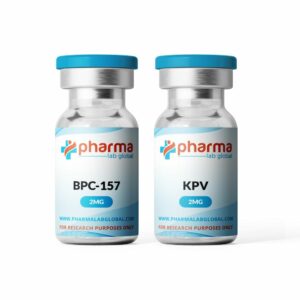
Understanding the Synergistic Effects of KPV and BPC-157 Peptide Combination
Learn how this special combination improves tissue repair, lowers inflammation, and speeds up healing. The synergistic effects of the KPV and BPC-157 peptide combination are being studied by researchers because they may hold the key to improving recovery results.
BPC-157 Peptide for Accelerated Healing
Learn how BPC-157 increases general injury healing, lowers inflammation, and aids in tissue regeneration. We explore the science underlying this amazing peptide, looking at its modes of action and the different ways it can speed up recovery, from joint injuries to muscle strains.
Oral Shipment of Drugs Barriers & Advancements
Explore the various barriers oral drug formulations face, from degradation in the digestive system to limited absorption, and discover the latest advancements in technology and formulation strategies to overcome these challenges.
Peptides are manufactured to a purity standard of 99% (complex peptides are 98% pure or higher)
At Pharma Lab Global we supply premium peptides to the research industry worldwide.
Our mission and priority are to ensure that clients receive a superior customer experience.
At Pharma Lab Global we aim to supply the highest purity research peptides at affordable prices.
ALL PRODUCT INFORMATION AND ARTICLES ON THIS SITE ARE FOR EDUCATIONAL PURPOSES ONLY
DISCLAIMER: All products sold by Pharma Lab Global are for research and laboratory use only. These products are not designed for use or consumption by humans or animals. They are not to be classified as a drug, food, cosmetic, or medicinal product and must not be mislabelled or used as such. By purchasing from our Website the buyer accepts and acknowledges the risks involved with handling of these products. All articles and product information provided on this Website are for informational and educational purposes only. Handling and use of these products should be restricted to suitably qualified professionals.